On the eve of the New Year, we’ll examine what may await us in the coming year from the perspective of astrological cycles. For example, I used one such technique in 2022, when an eclipse indicated that peace in Eastern Europe was unlikely to be discussed before 2025.
This time, we’ll examine cycles associated with Mars, and in particular one of their types, which will be discussed further below. To do this, let us first outline the rules followed by astrologers in techniques of this kind:
- The Moon itself is very fast, so its position may be disregarded, although it usually indicates an increase or decrease in human suffering.
- Trans-Saturnian planets are not taken into account.
- Priority is given to the superior planets – Saturn, Jupiter, and Mars.
- Special attention is paid to the Sun.
Let's look at some historical examples.
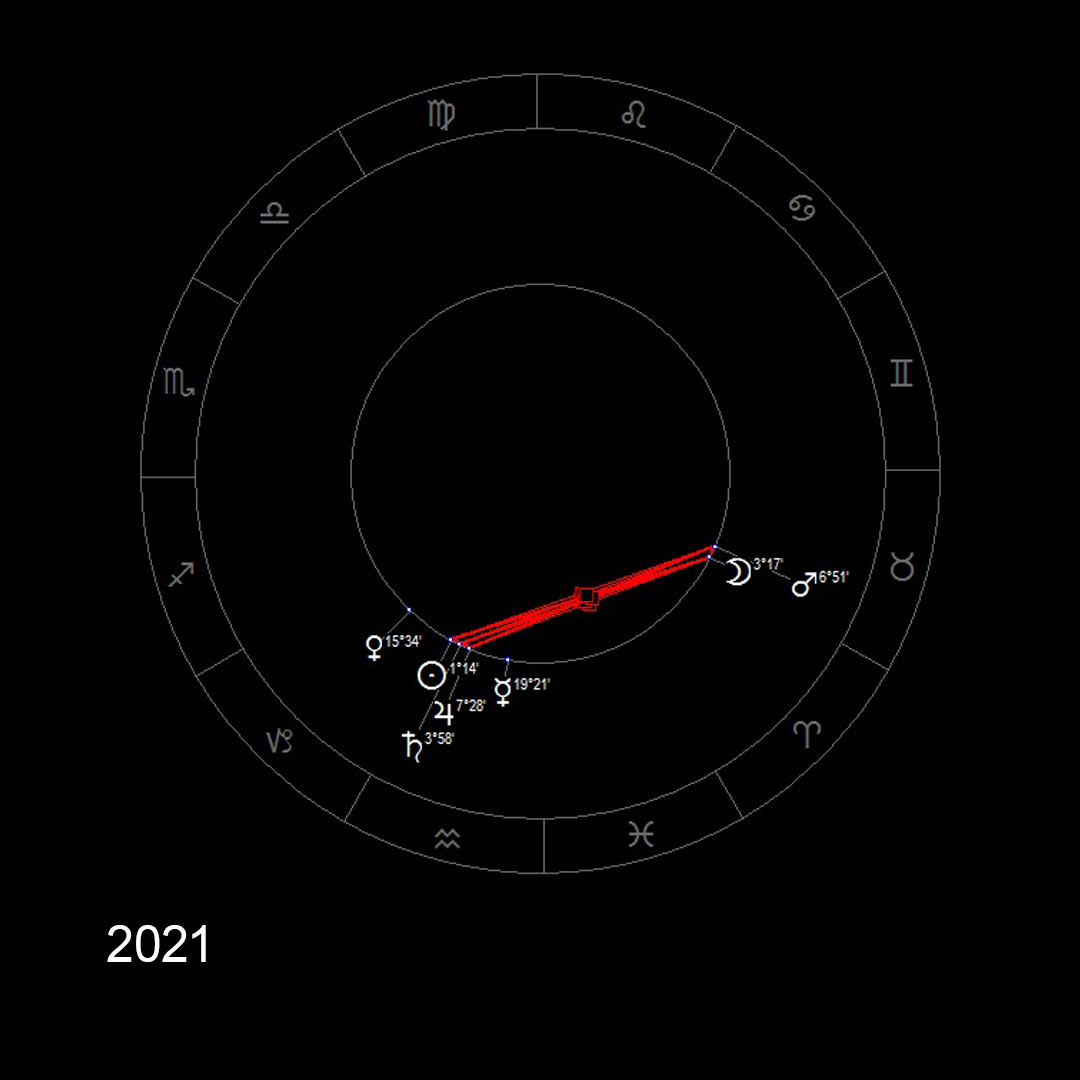
Winter 2020–2021: The Sun in detriment combusts Saturn and Jupiter in a square to Mars – the situation in Eastern Europe escalates, and already a year later the Russian–Ukrainian war unfolds on a broad front, drawing in an increasing number of countries.
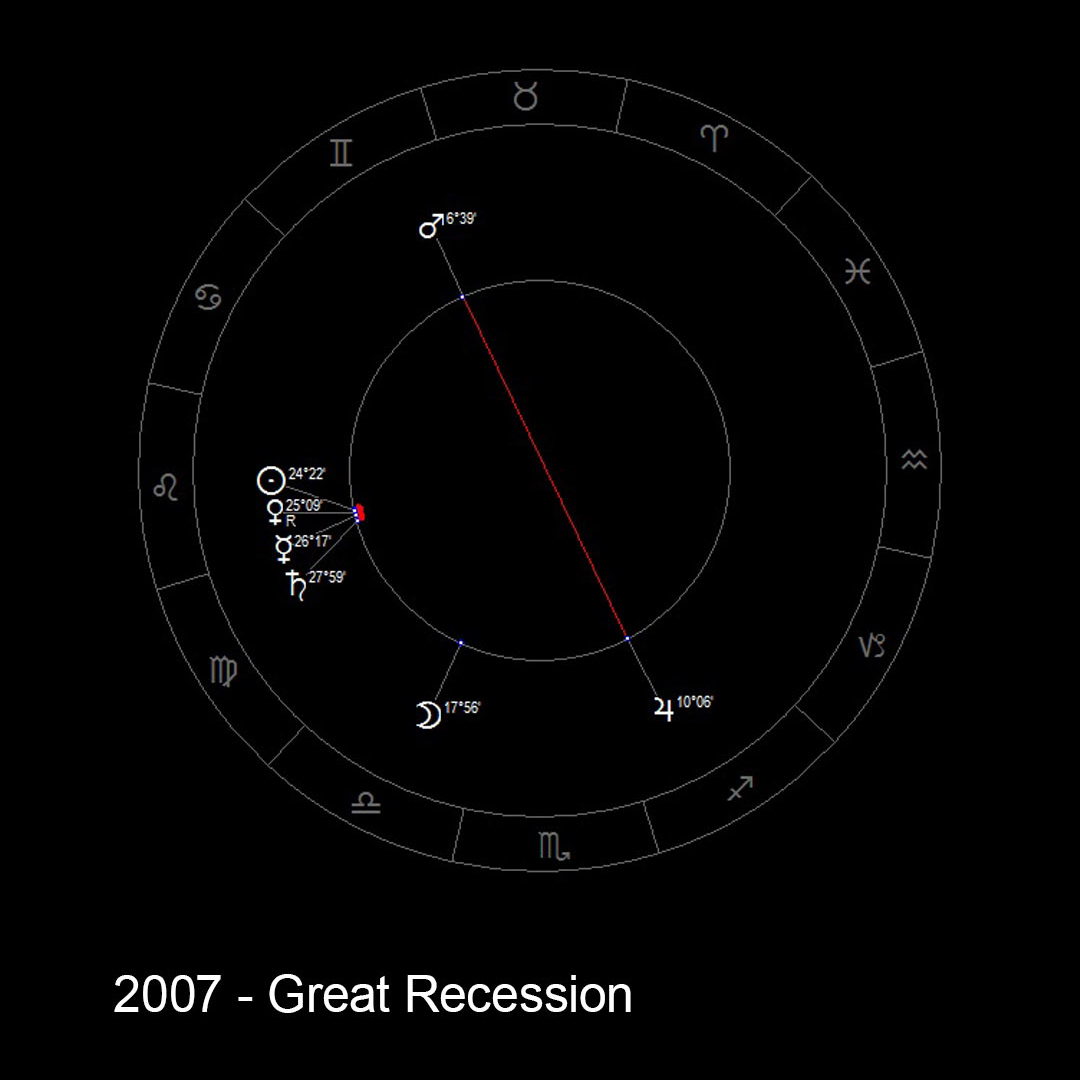
Summer 2007: The Sun combusts Saturn and the inferior planets in opposition to Jupiter and Mars – a global economic crisis.
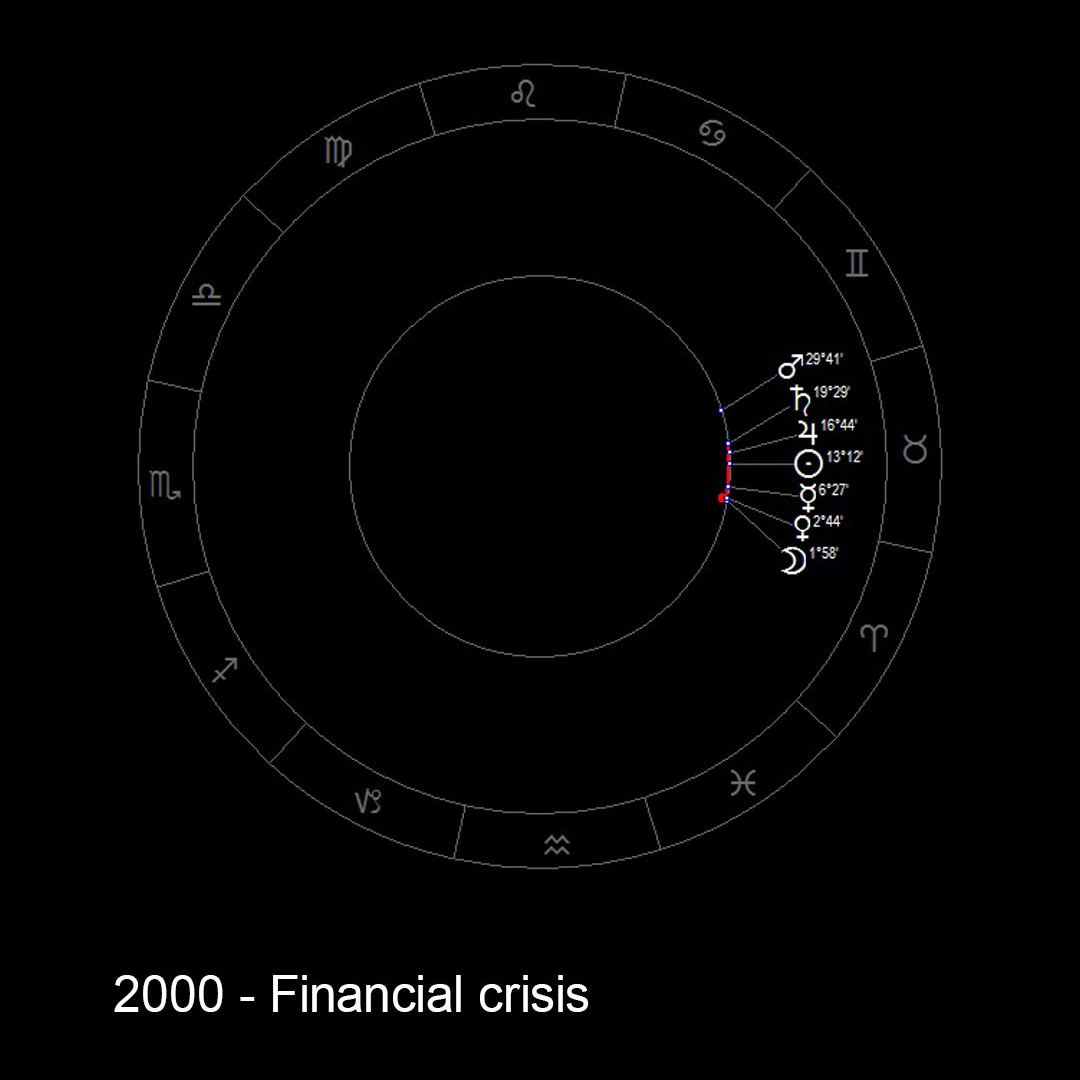
Spring 2000: The Sun combusts the remaining planets – a financial crisis.
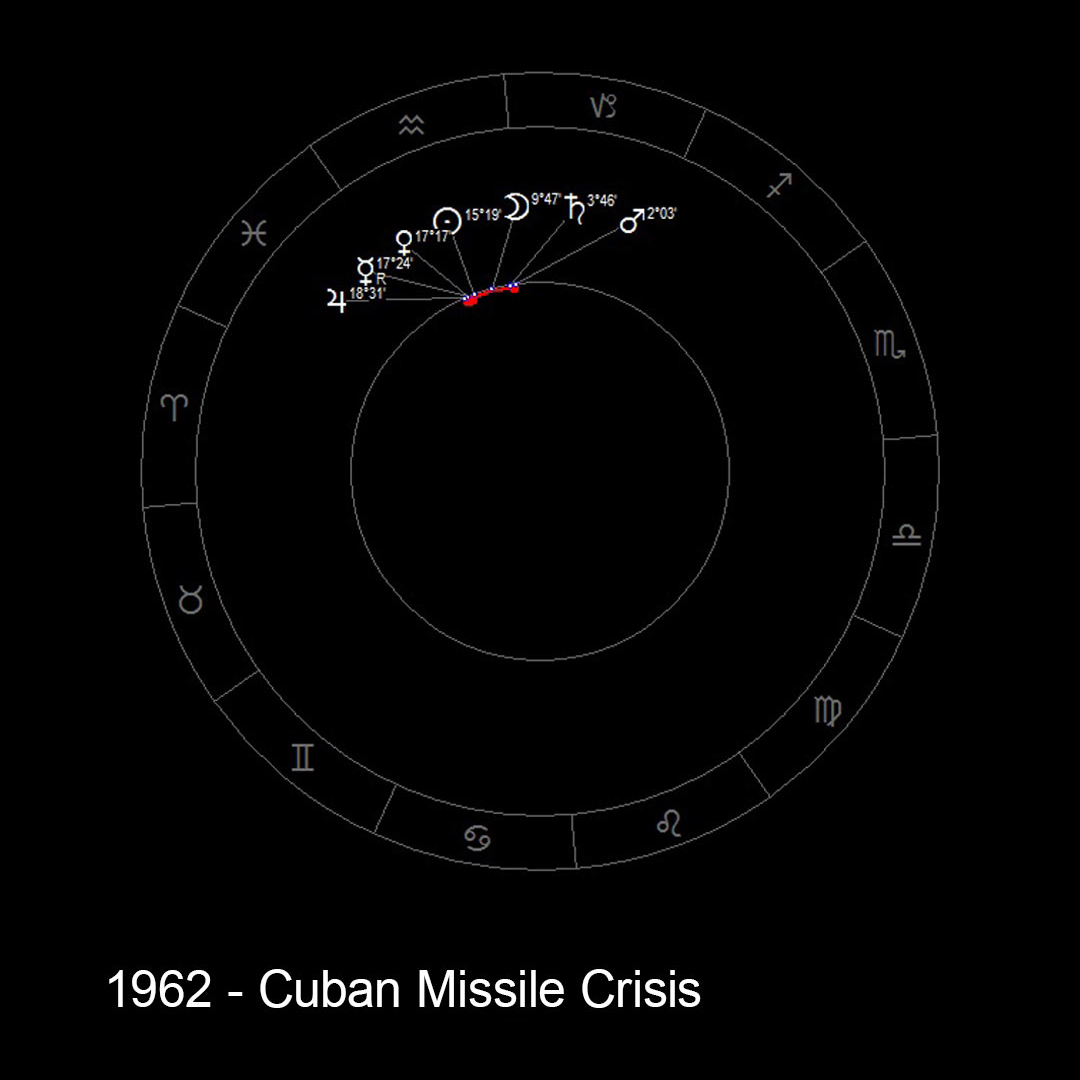
Winter 1961–1962: The Sun combusts the inferior planets and Jupiter, with the South Node nearby; Saturn and Mars are in conjunction – the Cuban Missile Crisis.
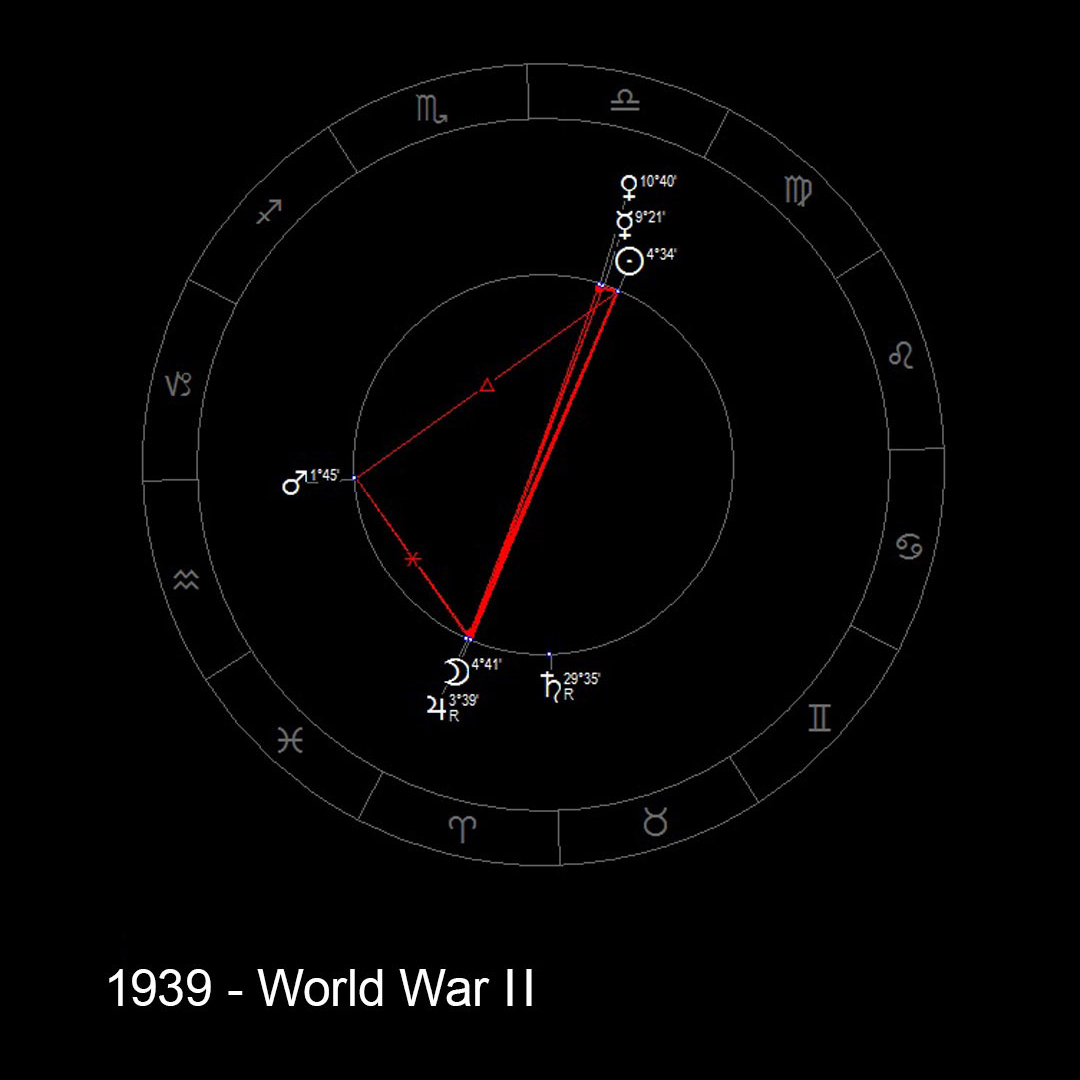
September 1939: A severely afflicted Saturn, a strong Mars influences all other planets, which are combust and in opposition to Jupiter – the beginning of World War II.
Nevertheless, these cases may be called particular. In addition, historically, all these events were often the result of other processes that occured earlier. It is precisely with these processes that the astrological configuration we’ll see already in January 2026 is connected – something that has not occurred for almost half a century. We’re talking about such an opposition of Jupiter and Mars in which Mars is combusted by the nearby Sun.
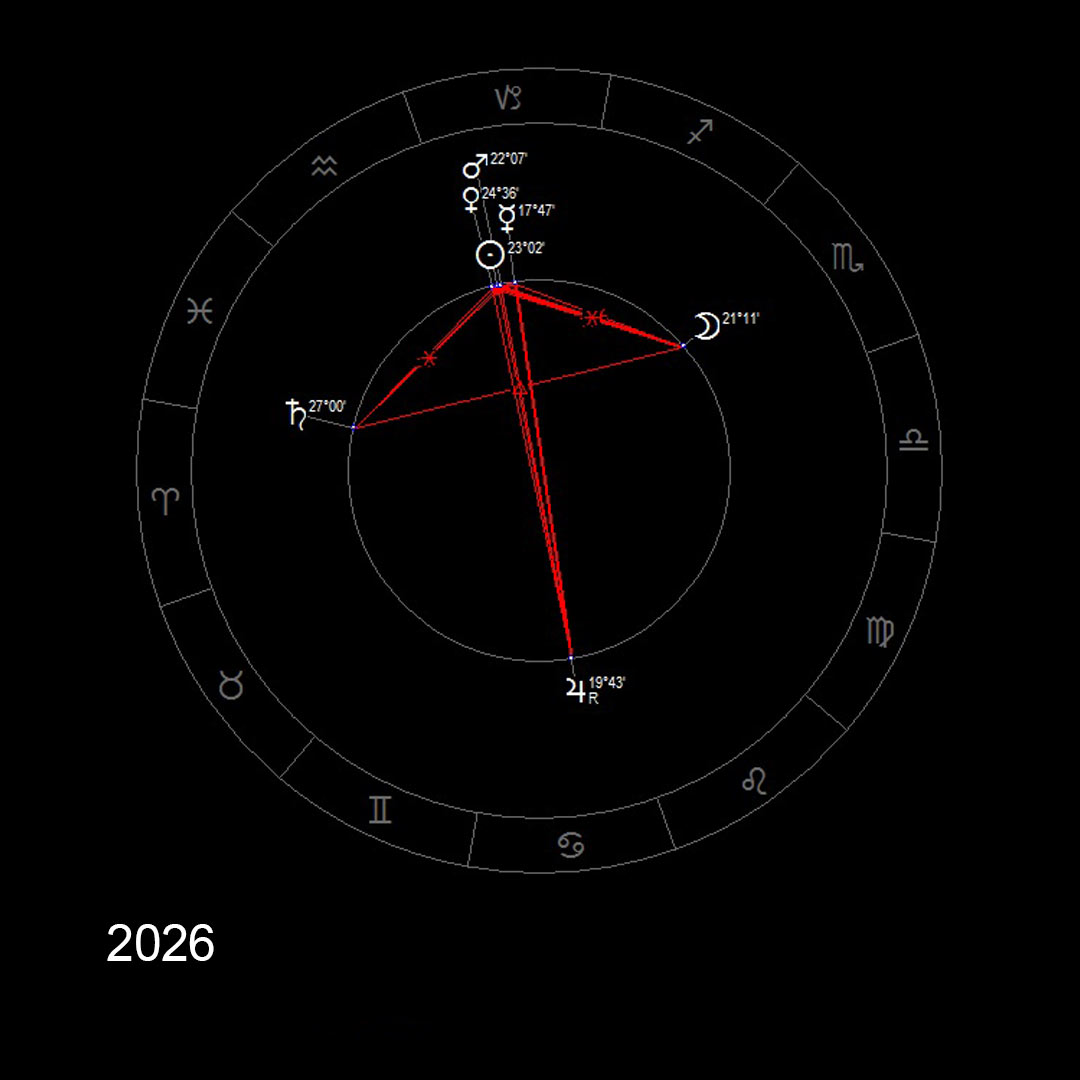
The fact is that Mars completes a full zodiacal cycle in two years, while Jupiter covers only two zodiac signs over the same period. For this reason, the opposition between Mars and Jupiter occurs approximately once every 26 months.
As for the combustion of Mars, it is easy to notice that during the opposition of Mars to Jupiter, Mars is combusted only ten times per century, and this happens over two cycles. Thus, we’re dealing with fifty-year cycles: first, the Sun combusts Mars five times in a row while Mars is in opposition to Jupiter, which lasts for about nine years. Then, during this opposition, the bodily combustion of Mars does not occur for approximately forty years, that is, the Sun is not close enough to Mars when it stands opposite Jupiter. After that, the cycle begins anew.
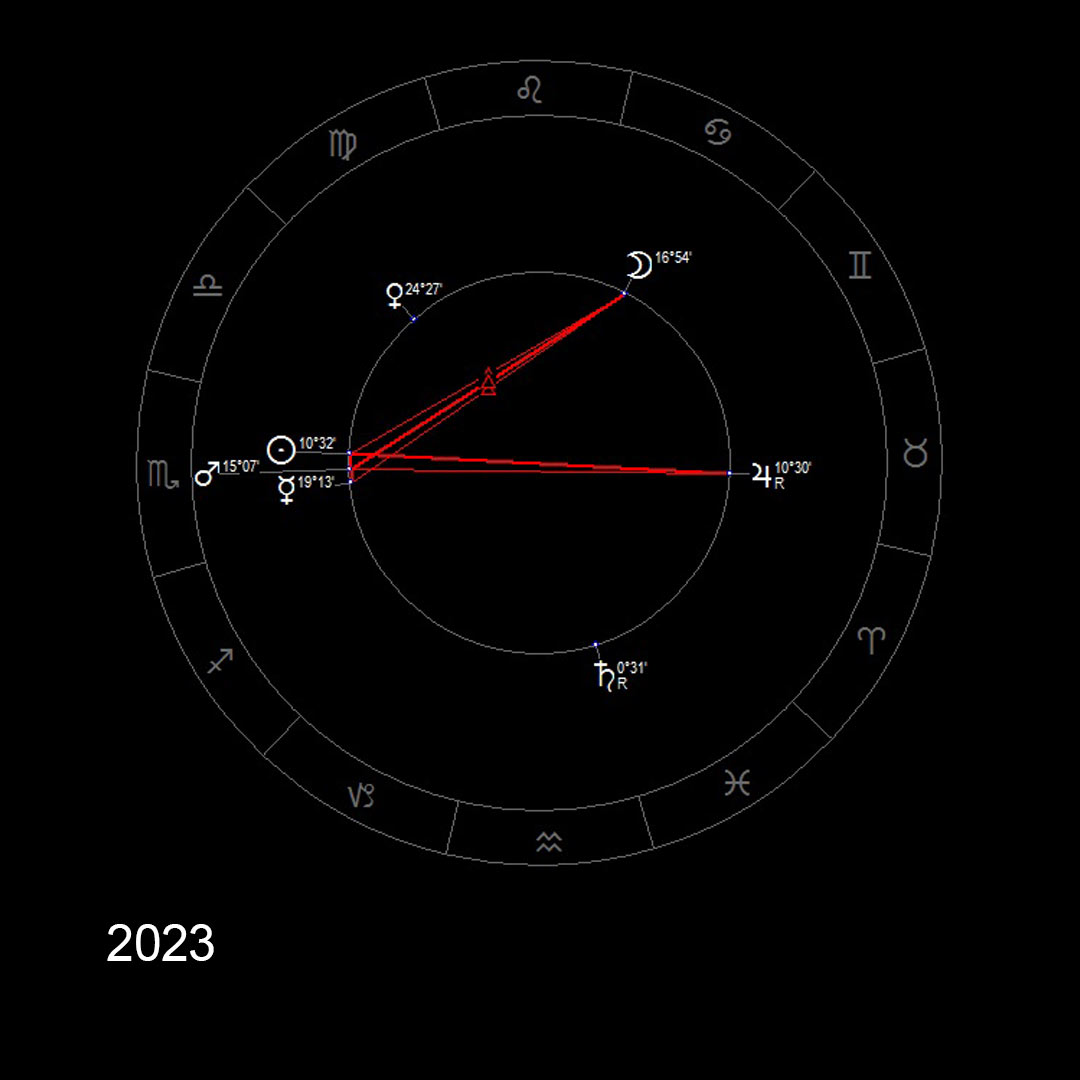
Already today, we’re at the beginning of such a cycle. The first combustion of Mars during an opposition to Jupiter occurred in 2023; however, at that time Mars and Mercury were in a western position, and the Moon, Saturn, and Venus weren’t so weakened.
However, let’s look at the present picture: absolutely all the planets are combusted. This is indeed a rare phenomenon. To understand what it may bring us, we need once again to turn to the past.
The previous similar cycle occurred in the 1980s; it’s not the most illustrative example, so let’s take another step back to an earlier cycle of the second quarter of the 20th century. Then, of all five combustions of Mars during opposition to Jupiter, the strongest occurred at the end of 1929, which coincided in time with the Great Depression, the consequences of which persist to this day.
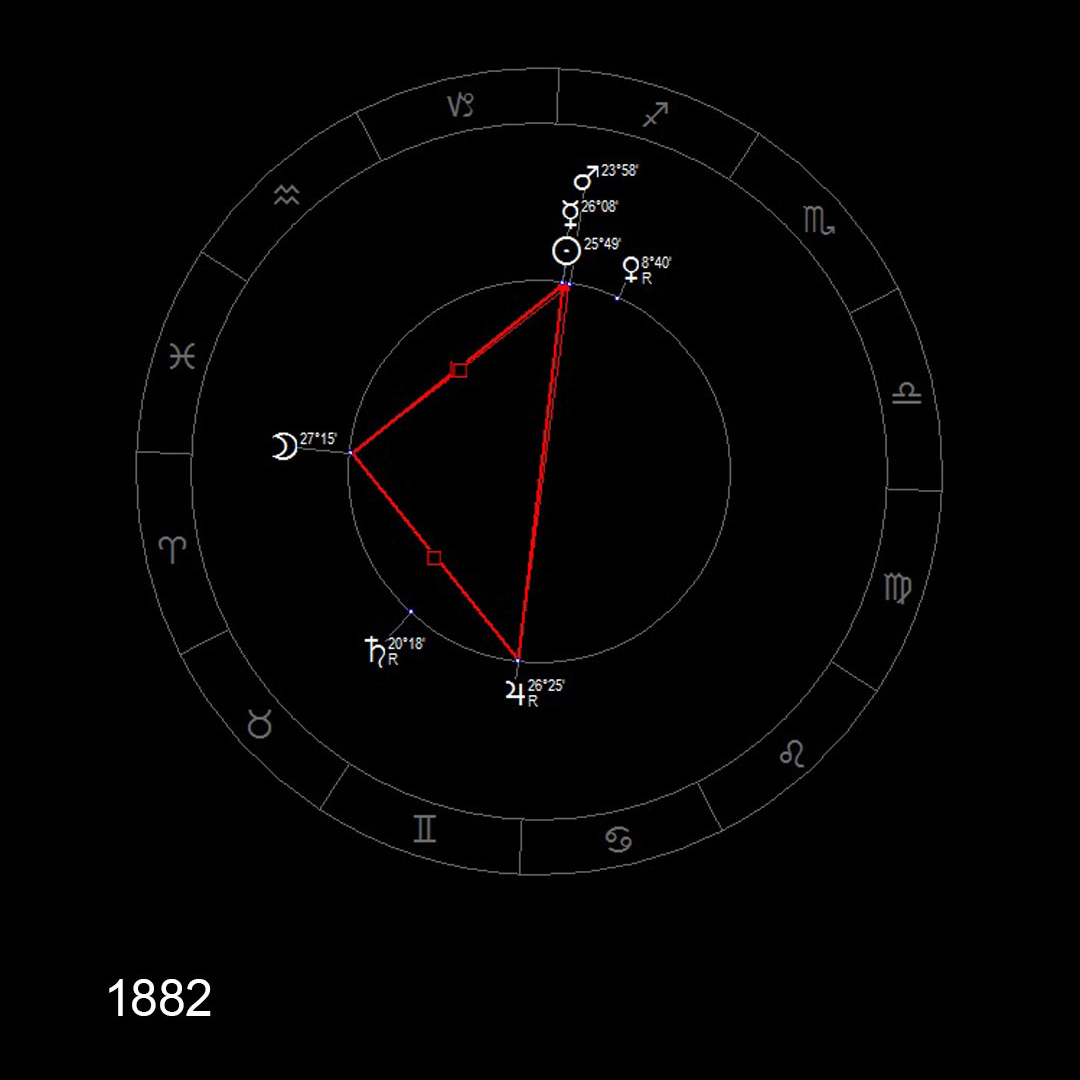
In the 19th century, this cycle occurred in the 1880s and the 1830s.
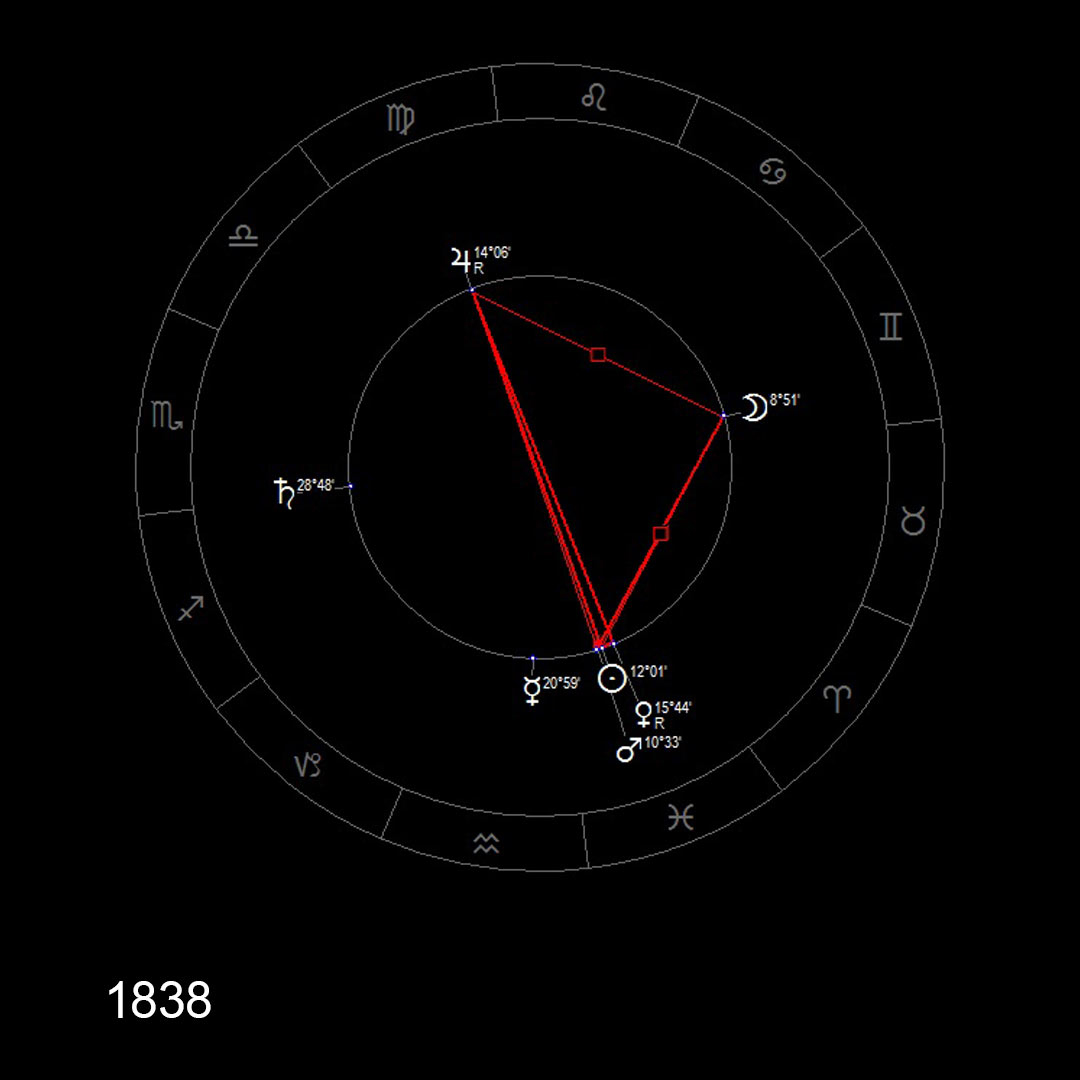
Perhaps the more interesting period is the 1830s, with its economic crises, revolutions, and wars.
Before that, the cycle fell at the end of the 18th century and lasted from 1786 to 1795, with the planets being most severely damaged precisely in 1789, when the Great French Revolution took place, reshaping all of Europe and leading to enormous human losses and wars that shook the entire world.
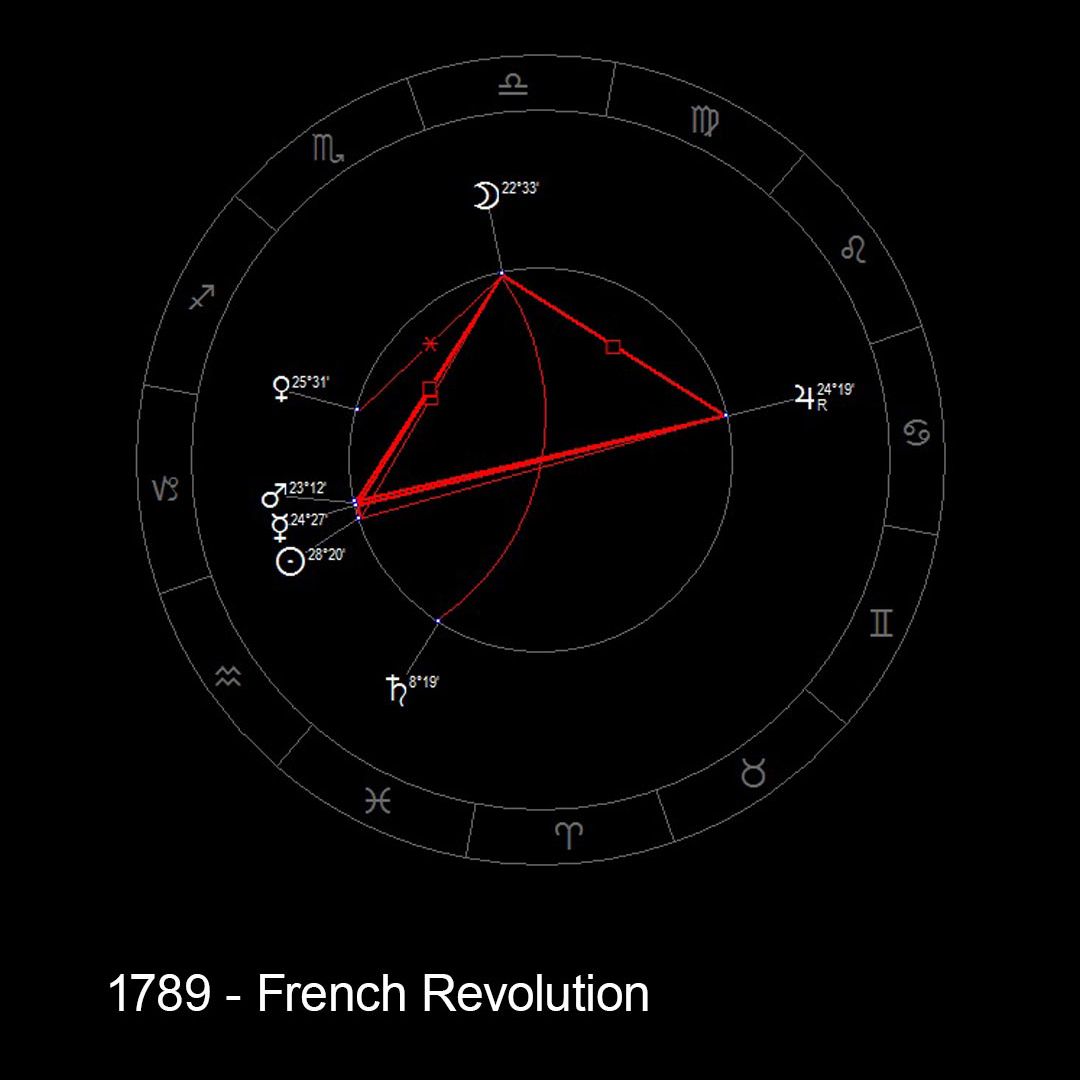
From these examples, it is clear that such a planetary configuration was often associated with catastrophic consequences, and temporally the astrological event was separated from its manifestation not by years, but by months or even weeks. Since the sample is quite substantial and the range of future scenarios is approximately clear, our task is to prepare for it.